


Monika Raman, PSG College of Technology, Coimbatore
Lung cancer, one of the most common and deadliest cancers, affected 2.2 million people and caused 1.79 million deaths worldwide in 2020. Most of the primary lung cancers are carcinomas. Small-cell lung carcinoma (SCLC) and non-small-cell lung carcinoma (NSCLC) are their two main types.
About 15% of lung cancers are SCLC, which is an aggressive variety of lung cancer. The cause of SCLC is smoking, but SCLC also affects non-smokers. Non-smokers are affected due to a combination of genetic factors and exposure to radon gas, asbestos, second-hand smoke, or other forms of pollution. The development of novel treatments during the past decades is nearly promising to cure SCLC. But no significant advancement has been achieved in recent years.
A more detailed study on SCLC has revealed the impact of genetic alterations in SCLC tumorigenesis, and targeted therapies seek out a cure. Long non-coding RNAs (lncRNAs) are non-coding RNA molecules that participate in many biological processes by interacting with micro-RNAs (miRNAs). The implication of lncRNAs in the development of cancers is yet uncovered. Since the functionality of most lncRNAs remains unknown, the development of targeted anti-cancer therapies is restricted.
What are lncRNAs?
For the development of anti-cancer therapies, understanding the interactions between lncRNAs and other molecular players may provide unique insights. Most of the studies revealed that lncRNA DANCR promotes the migration and invasion of gastric cancer cells. LncRNA MIR4435-2HG also induces the tumorigenesis of lung cancer.
Minichromosome Maintenance Complex Component 3 Associated Protein (MCM3AP) Antisense RNA 1 (MCM3AP-AS1) is the recently characterized lncRNA that plays an oncogenic role in many cancers.
- MCM3AP-AS1 promotes cancer cell growth in hepatocarcinoma by regulating the miR-194-5p/FOXA1 axis.
- It promotes tumorigenesis in cervical cancer by regulating miR-93.
- It induces angiogenesis in glioblastoma by regulating the miR-211/KLF5/AGGF1 pathway.
- It could also induce tumorigenesis in lung cancer by regulating the miR-340-5p/KPNA4 axis.
But the potential mechanisms by which MCM3AP-AS1 promotes tumorigenesis in SCLC are still not explored.
Recently, Hua Luo and his colleagues investigated the altered expression of MCM3AP-AS1 miR-148a in SCLC and whether it functions by regulating the miR-148a/ROCK1 axis. Their work got published in the journal BMC Cancer.
Do MCM3AP-AS1 regulate Small Cell Lung Cancer?
The researchers analyzed the MCM3AP-AS1 and Rho-associated coiled-coil-containing protein kinase 1 (ROCK1) levels in SCLC patients by qPCR. They performed RNA pull-down and luciferase assays to detect the interaction between MCM3AP-AS1 and miR-148a, whereas Transwell assays to analyze cell invasion and migration.
MCM3AP-AS1 upregulated in patients with SCLC. Hua Luo, the lead author of this study, said: “Our bioinformatics analysis reveals that miR-148a binds to MCM3AP-AS1.” Previous research has found that miR-148a has an anti-cancer effect in carcinoma by inhibiting cancer metastasis. This study also revealed that MCM3AP-AS1 and miR-148a don’t affect each other’s expression.
ROCK1 is a downstream target of miR-148a. It is also oncogenic in many cancers by regulating cancer metastasis. During this research, MCM3AP-AS1 overexpression upregulated ROCK1 in SCLC tissues and promoted cancer cell invasion and migration. But miR-148a overexpression showed the opposite effects. It reduced the impact of MCM3AP-AS1 overexpression on ROCK1 expression and cell behaviours.
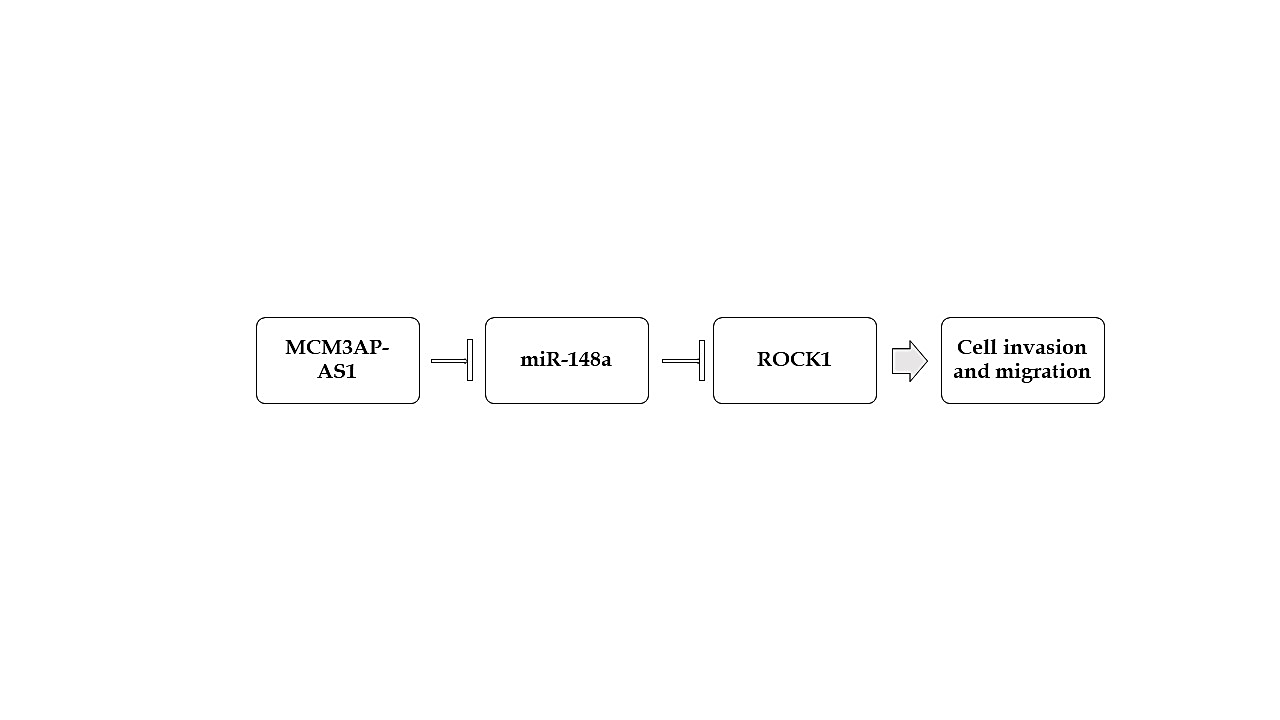
Fig 1. Schematic representation of the proposed mechanism.
Finally, Yukun Zhang, co-author of this research, stated: “MCM3AP-AS1 sponges miR-148a, thereby increasing SCLC cell invasion and migration via upregulating ROCK1 expression.” So, their results provide a brief explanation of the interactions of MCM3AP-AS1 in regulating the miR-148a/ROCK1 pathway. Targeting them would be a unique approach for the development of anti-cancer therapies to treat carcinoma.
Lung cancer and Covid-19
During this pandemic, most death cases weren’t recognized as carcinoma but labelled as COVID-19. “There could be a certain problem for lung cancer, which is that the overlap of symptoms with COVID-19,” said Mike Richards, former director of the National Cancer Institute. So, the diagnoses and finding of the proper treatment for lung cancer are strictly needed, that too during this pandemic situation!
Also read: New bioluminescent tool to quantify disease resistance in plants
Source: Luo, H., Zhang, Y., Qin, G., Jiang, B., & Miao, L. (2021). LncRNA MCM3AP-AS1 sponges miR-148a to enhance cell invasion and migration in small cell lung cancer. BMC Cancer, 21(1), 820. https://doi.org/10.1186/s12885-021-08365-8
- Why Do We Age? The Biology Of Ageing Explained
- The Corrosion Prediction from the Corrosion Product Performance
- Nitrogen Resilience in Waterlogged Soybean plants
- Cell Senescence in Type II Diabetes: Therapeutic Potential
- Transgene-Free Canker-Resistant Citrus sinensis with Cas12/RNP
About the author: Monika Raman is an undergraduate student pursuing her final year B. Tech in Biotechnology. She is an enthusiastic Biotech student aspiring for an opportunity to develop skills and grow professionally in the research field. Extremely motivated and possess strong interpersonal skills.
HAVoC: A database to track SARS-CoV-2 variants
Shrestha Dutta, Amity University Kolkata Coronavirus Coronaviruses (family Coronaviridae) are covered with single-abandoned RNA infections, which cause respiratory, enteric, hepatic, and neurological illnesses with a wide range of severity among various organisms and people. Severe acute respiratory syndrome coronavirus 2 (SARS-CoV-2), a novel transformative infection that is responsible for the current pandemic, has damaged societies […]