


Amartya Rakshit, Amity University Kolkata
A country sleeps peacefully every day as the soldier performs its duties. They defend the honor of our motherland with their life and blood. But, are we really aware of the injuries and threats that they face on duty? The modern day warfare brings incidence of major injuries due to high energy blasts and modern guns resulting in complicated conditions requiring medical treatments and prolonged rehabilitation, and can even lead to permanent incapacitation.
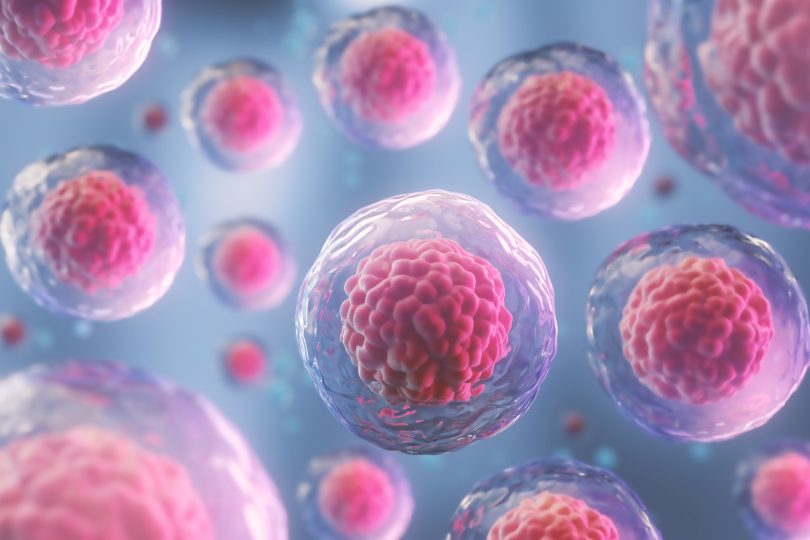
At present, the therapies to combat injuries majorly aim at alleviating pain and preventing further tissue damage from secondary infections. But this inadequate recovery leads to mental trauma which curbs them from serving their beloved country further. This indicates a shift towards stem cell-based therapies, which are a more promising approach to recuperate from severe injuries. In this treatment, stem cells (embryonic stem cells and adult stem cells) scaffolds with suitable growth factors like cytokines and chemokines are utilized to improve, replace, and regenerate tissues, and organs. Stem cells have a unique ability to renew themselves indefinitely while retaining the capacity to differentiate into any cell type of the body. This provides them to possess high value as a tissue regenerative source to combat injury applications.
1. Sensory Organ Injuries
Advancement in high explosive fragmentary munitions has led to severe and reciprocal ocular and auditory injuries, like permanent vision loss, hearing loss, and issues of vertigo. This can be reversed and cured as retinal cells produced from embryonic sources are used to replace photoreceptors and retinal pigment epithelial (RPE) cells. And for auditory impairments, the neural stem cells for hair cells in the inner ear are processed either by differentiation or isolation of native resident cochlear cells.
2. Musculoskeletal Injuries
All modern combat injuries lead to musculoskeletal damage, with high chances of ectopic bone formation which causes extreme pain and requires secondary surgeries for removal. Stem cells have been proven useful to treat chronic ailments such as osteomyelitis and osteoarthritis which are post musculoskeletal effects. It was also seen that stem cells with an injectable form of composite used as a treatment for defects in long bones. MSCs isolated from various tissues are also capable of differentiating into principal cell types within the musculoskeletal system.
3. Genital/Testicular Injuries
Many battlefield injuries result in impairing of procreative capabilities in men and women soldiers and left them unable to conceive children in the future. But stem cell has an answer to that as it managed to reconstruct intact testicles using autologous stem cells from soldiers. Not only that using stem cells, tissue engineering of the penis, urethras, and autologous vaginas can be achieved.
4. Blood Pharming
Hemorrhage and blood loss are the most common injuries soldiers encounter on the battlefield. This puts them in need of a continuous blood supply which is nearly impossible in the far-flung battlefield. That’s why we were introduced to a technique called Pharming in which red blood cells were genetically engineered from umbilical cord stem cells and thus results in the shaping of artificial blood.
5. Skin Injuries
Skin as the first line of defense against any external stimuli is exposed to gunshots, explosions, radiations, nuclear heat, etc. to a severe extent. Occasionally, depending on the type and extent of the injury, the body regenerates itself, but sometimes due to high radiation exposure and third- fourth-degree burns it evolved into life-threatening wounds that are nearly impossible to cure completely. That’s why MSC- based treatments are used for expedient wound closure, to decrease the incidence of infection, increase vasculogenesis, increase elasticity and reduce scar formation, as MSCs play a natural purpose in human skin regeneration. Hence it is an effective, fast, and infection-free treatment.
6. Nervous System Injuries
Traumatic brain injuries (TBIs), severed spinal cords, and torn peripheral nerves are some of the most common injuries related to the nervous system on the battlefield. TBI causes depression, substance abuse, and personality disorders, while spinal cord damage leads to total immobility. MSCs shows significant results in spinal injuries as it shows anti-inflammatory effects on the injury and initiated macrophages changes, also autologous bone marrow mononuclear cells (BM MNCs) and granulocyte colony-stimulating factors (GCSF) shows significant results and speedy recovery. In the case of TBI, the current role of neural stem cells in detecting cognitive behavior is still unclear, but it is known that they are the key component of neurogenesis which for sure will give us better results in near future.
The current advancement in medical science is precisely saving many lives of soldiers who would have died from their injuries in previous conflicts. But this comes with immense pain, prolonged recovery, mental trauma, and expensive treatments. Thus, Stem cell therapy is becoming a magnificent game-changer for military medicine as due to its unique abilities to self-renew and recreate functional tissues we can say that yesterday’s sure deaths have become today’s wounds and today’s permanent wounds may very well become tomorrow’s bad memories.
Also read: What does Ocean Warming mean for Tropical Rainfall?
Source: Ude, C.C., Miskon, A., Idrus, R.B.H. et al. Application of stem cells in tissue engineering for defense medicine. Military Med Res 5, 7 (2018). https://doi.org/10.1186/s40779-018-0154-9
Image links: https://images02.military.com/sites/default/files/2019-12/army-salute-3000.jpg https://www.oxfordmartin.ox.ac.uk/images/_810x540_crop_center-center_none/AdobeStock_Anusorn_StemCell.jpg

The Kauri Tree: Untold story of the Earth being "upside-down"
Ayooshi Mitra, Amity University, Kolkata A long time ago, a record of the “lost time” was discovered by some workers digging grounds for a power plant in New Zealand. The discovery was of a 60-ton trunk from a kauri tree (the largest species of trees in New Zealand). The tree was assumed to have been […]